How the Puzzle Comes Together
Each round in Picture Puzzle Challenge begins with a scattered set of tiles and a reference image. You select a picture from the available collection, then drag individual pieces into their correct spots. The game accepts both touch and mouse input, so the same drag-and-drop action works on phones, tablets, and computers. There are no timers, move limits, or score penalties. The only feedback you get is visual: a tile either fits or it does not. When the last piece lands, the completed scene appears as a single cheerful image.
Why the Art Style Matters for Play
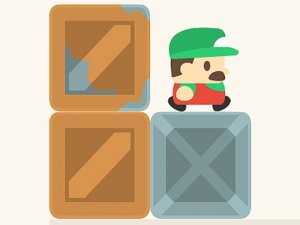
The artwork uses bright, friendly colors and simple compositions. Scenes include natural landscapes, playful characters, and everyday objects. That simplicity is not just decorative. Clear shapes and distinct color regions make it easier to spot where a tile belongs, which keeps frustration low and lets you focus on matching rather than squinting. The warm, inviting look suits a wide audience, from young children to adults looking for a quiet break.
Choosing Your Challenge Level
Puzzles come in varying piece counts, so you can pick a difficulty that matches your comfort level. Fewer pieces suit quick sessions or younger players; larger sets demand more attention and patience. Because there are no timers or scoring penalties, each session moves at your own rhythm. That design supports both short breaks and longer, meditative play. The challenge comes from matching shapes and colors, which exercises visual memory and spatial reasoning over time.
Playing Together and Learning Through Practice
Picture Puzzle Challenge works as a shared activity. Parents and children can take turns placing tiles, and because the game requires minimal reading, even young children can join after a brief demonstration. The stress-free environment encourages repeated play, which reinforces attention to detail, logical sequencing, and patience through practice rather than pressure. It is a puzzle game first, but the lack of failure states makes it unusually welcoming for mixed-age groups.
Compatibility
✅ Works on PC & Mobile | Recommended: Chrome / Safari / Edge









Editorial Notes