Navigating Congested Streets
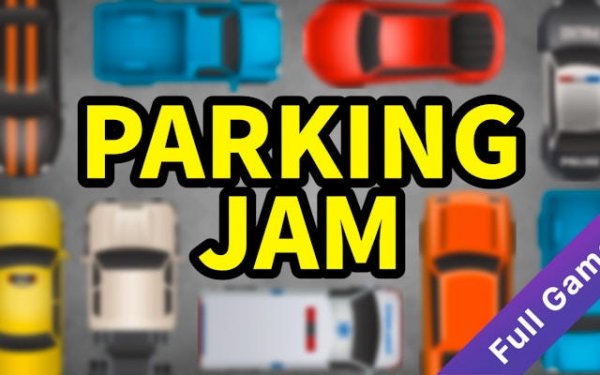
Parking Jam Puzzle: City Driving Game puts players behind the wheel of various vehicles, from compact cars to vans and trucks, each with distinct handling. The objective is straightforward: guide each car to its marked parking spot within busy city environments. Traffic, barriers, and other parked vehicles create tight corridors that demand careful steering and throttle control. Unlike racing games, speed works against you here—gentle inputs and early braking keep you from clipping obstacles.
Planning Each Move
Every level is a self-contained puzzle. Before accelerating, it pays to scan the layout and map a route. Reverse parking, tight-angle turns, and threading between stationary cars are common challenges. Some levels introduce moving obstacles or time limits, adding pressure without turning the game into a reflex test. The physics engine makes vehicle weight and turning radius feel consistent, so learning how a van differs from a compact car is part of the strategy.
Progression and Accessibility
Difficulty scales gradually. Early stages teach basic maneuvering; later ones combine multiple obstacles and tighter spaces. The on-screen controls—steer, accelerate, reverse—are easy to learn, which keeps the focus on planning rather than finger dexterity. Sessions can be short or long, and the puzzle format rewards patience over repetition. If a level stalls progress, stepping away often reveals a simpler approach.
Who It Suits
This game targets players who enjoy logic puzzles and low-stakes driving. The city setting and varied vehicle roster add visual variety, while the emphasis on precision over speed makes it approachable for those who find racing games too frantic. Puzzle fans who like spatial reasoning will find the core loop familiar but applied in a novel context.
Compatibility
✅ This game supports:
- Desktop browsers (Chrome, Edge, Safari)
- Mobile browsers (Chrome on Android, Safari on iOS)
❌ Does NOT support: - Internet Explorer - Very old browser versions
👉 Try refreshing or updating your browser








Editorial Notes