Understanding the Pin Removal Mechanic
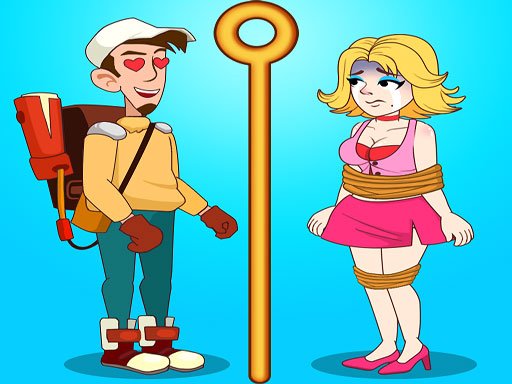
Every level in Pin Puzzle Escape Challenge is built around a simple but demanding idea: pins hold barriers in place, and pulling the wrong one at the wrong time can block the character's route. The puzzle is not about speed but about reading the board before you act. Each pin you remove changes the environment, so the order of removal matters as much as the pins you choose. [IMG_1]
How a Level Plays Out
You tap or click a pin to remove it. The character then attempts to move forward, and the result shows whether your choice helped or hindered progress. There is no timer, so you can study the arrangement, test a sequence, and learn from the outcome. The game treats failed attempts as feedback rather than punishment, which makes experimentation a legitimate way to solve tougher layouts. [IMG_2]
Progression and Difficulty Curve
Early puzzles introduce the basic relationship between pins and obstacles. Later levels combine more barriers and tighter paths, so you need to think further ahead about how each removal affects the whole board. The complexity grows through arrangement rather than new rules, which keeps the game approachable while still giving logic-puzzle fans something to work through. [IMG_3]
Who This Puzzle Game Suits
Because there is no time pressure and the controls are limited to tapping or clicking, Pin Puzzle Escape Challenge fits players who prefer quiet analysis over reflex-driven play. It works for short breaks or longer sessions, and the lack of penalties for wrong guesses makes it accessible to anyone who enjoys brain teasers and strategic problem-solving.
Compatibility
✅ This game supports:
- Desktop browsers (Chrome, Edge, Safari)
- Mobile browsers (Chrome on Android, Safari on iOS)
❌ Does NOT support: - Internet Explorer - Very old browser versions
👉 Try refreshing or updating your browser









Editorial Notes