Three Modes, Three Mindsets
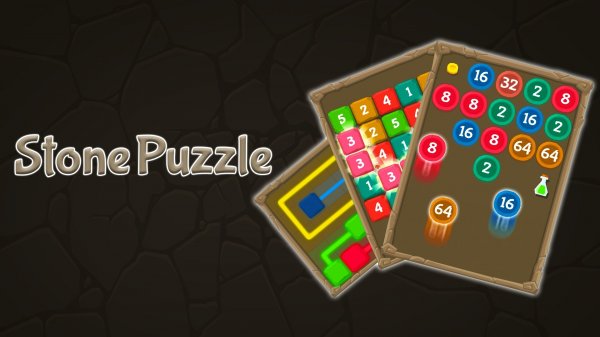
Gem Merge Puzzle - Logic Game splits its play into three separate modes, each asking for a different kind of attention. In the shooting mode, players fire numbered gems at a vertical stack, trying to land identical numbers together so they merge into higher values. The connecting mode asks players to draw lines between matching colored tiles, clearing the board piece by piece. The merging mode is slower: drag gems together to combine numbers and push toward progressively higher totals. Switching modes changes the pace and the mental demand, which keeps a session from settling into routine.
How Each Mode Rewards Planning
The shooting mode is the most reactive of the three, but precision matters more than speed. A well-placed gem can set off chain reactions that clear several stones at once, so players benefit from reading the stack before firing. The connecting mode leans on pattern recognition; scanning the board for matching colors and mapping an efficient path is the core skill. The merging mode is about incremental growth, where each combination moves the player closer to a target number. None of the modes use timers or penalties, so a move can be reconsidered without pressure.
Interface and Feedback
Controls stay simple across all three modes: click or tap to shoot, drag to connect, or slide to merge. The game uses clean, uncluttered graphics with a calm color palette, and each gem or tile is clearly distinguishable, which makes numbers and colors easy to read at a glance. Visual effects confirm when gems combine or tiles clear, giving immediate feedback without cluttering the screen. The overall look is minimal and functional rather than decorative.
Pacing and Who It Suits
Because there are no time limits or lives, sessions can run a few minutes or much longer, and mistakes carry no harsh penalty. That forgiving structure makes the game easy to pick up during a commute, a short break, or a wind-down before bed. The three modes provide enough variety to hold attention, and difficulty rises gradually rather than spiking. Being browser-based, it runs on any device with an internet connection.
Compatibility
• OS: Windows 10+, macOS 11+, iOS 14+, Android 10+
• Browsers: Chrome 100+, Safari 15+, Edge 100+, Firefox 100+
• Not compatible with Internet Explorer
Tested on real devices ✅ works as expected










Editorial Notes