What You Actually Do
Each puzzle starts as a shuffled grid of square tiles with one empty slot. Your only action is to click or tap a tile next to that empty space; it slides over, and the gap moves. The picture is complete when every tile sits in its original position. There is no timer, no score penalty, and no opponent. The move counter is the single measure of how efficiently you solved the grid.
Why the Pace Feels Different
Most casual games push speed or reflexes. This one removes both. The challenge comes from planning a sequence of slides without undoing earlier progress. That design makes it a logic exercise rather than a reaction test, and it is why the game suits players who want to think quietly instead of compete.
Visual Style and Series Recognition
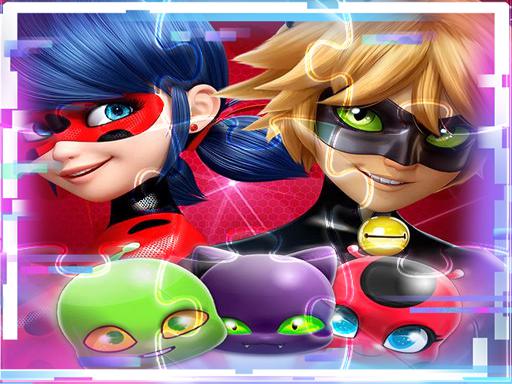
The artwork uses bright, friendly scenes tied to a well-known animated universe. Fans of that series will recognize characters and settings as they reassemble them. The images are not generic stock photos; they are the reward for finishing the grid, which gives each solved puzzle a small payoff beyond the mechanical satisfaction.
Hints, Progress, and Device Support
An optional hint system is available when a layout stalls. Using it is a choice, not a requirement, and the move counter keeps a record of your session. Controls work the same on desktop and mobile, so a puzzle can be paused and resumed on a different screen without relearning anything. The environment contains no advertisements.
Compatibility
▸ Desktop: Chrome / Edge / Firefox / Safari
▸ Mobile: iOS Safari / Android Chrome
▸ Tablet: iPadOS Safari / Android Tablet Browser
Keep your browser updated for the best experience





Editorial Notes