Building Scenes Piece by Piece
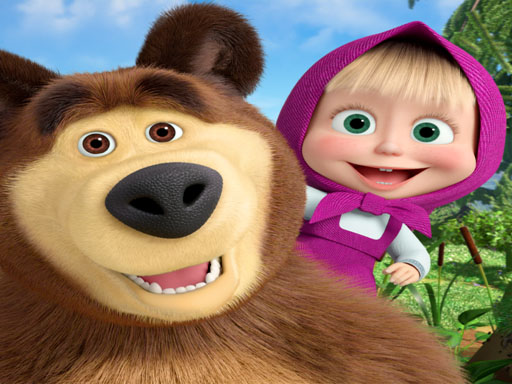
Masha Bear Puzzle Game uses a classic jigsaw format: an image is broken into fragments, and the player reassembles it on a main board. The subject matter comes straight from the cartoon — Masha, Bear, and their forest companions appear in colorful scenes that fans of the show will recognize. [IMG_1] The goal is simple: complete the picture by placing every piece correctly. There is no timer pressure described, so the pace is set entirely by the player.
Controls and Interaction
All interaction is mouse- or touch-driven. A side panel holds the scattered pieces. Clicking and dragging moves a piece onto the board, where it snaps into place when the shape and color align with its neighbors. Some pieces can be rotated before placement. This drag-and-drop approach requires no explanation — the interface is designed so that a first-time player can begin without reading instructions.
Adjusting the Challenge
Difficulty is controlled by the number of pieces selected before starting a puzzle. Fewer pieces create a quick, manageable task; more pieces turn the same image into a longer, more demanding exercise in visual matching. A hint feature shows where a specific piece belongs, which keeps progress moving when a section becomes confusing. [IMG_2] This flexibility means the same game can serve a young child and an adult looking for a light brain teaser.
Progression and Replay
Completing a puzzle unlocks additional images, so the available scenes expand as the player finishes them. That unlock system gives the game a sense of forward motion beyond a single sitting. Because each image can be replayed at different piece counts, the same scene offers a new level of challenge when revisited. The content is free to access, with no hidden costs mentioned.
Compatibility
💻 Desktop | 📱 Mobile | 📟 Tablet
– All supported · Best with Chrome or Safari




Editorial Notes