Match Setup and Round Structure
Tic Tac Toe Classic Puzzle keeps the rules simple but adds a match framework. Before playing, you choose between a single-player game against the computer or a local two-player game with a friend. You also select the match length: three, five, or ten rounds. Each round follows the standard three-by-three grid format, and the player who wins the most rounds takes the overall match. This structure gives short sessions a clear goal and makes it easy to fit a full game into a few minutes.
Turn-by-Turn Play
Players alternate placing their symbol, X or O, on any empty square. The first to align three symbols horizontally, vertically, or diagonally wins that round. If all nine squares fill without a winner, the round is a draw. The game tracks scores across rounds so you can see who is ahead at a glance. Because each move is quick, the focus stays on reading the board and planning ahead rather than on complex controls.
Visual Style and Focus
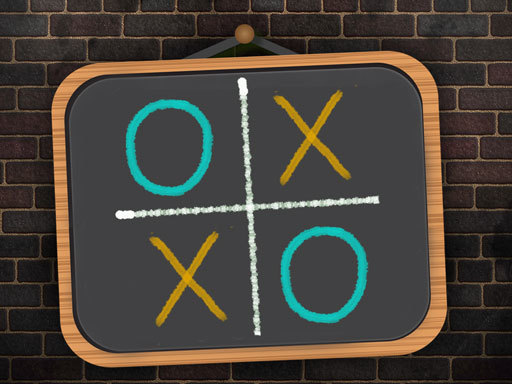
The interface uses a blackboard-style design with minimal decoration. This reduces visual clutter and keeps attention on the grid. The clean look suits the game's puzzle-like nature, where pattern recognition matters more than flashy effects. It also makes the game easy to read on different screen sizes, though the input does not specify platform details.
Practical Tips for Better Play
Control of the center square early in a round gives you the most chances to create a line. Watch your opponent's moves and block any two-in-a-row that threatens to become three. At the same time, build your own positions so that you have multiple ways to win on your next turn. In two-player mode, noticing whether your opponent favors corners or edges can help you anticipate their next move. Regular practice makes common patterns easier to spot.
Compatibility
✅ This game supports:
- Desktop browsers (Chrome, Edge, Safari)
- Mobile browsers (Chrome on Android, Safari on iOS)
❌ Does NOT support: - Internet Explorer - Very old browser versions
👉 Try refreshing or updating your browser








Editorial Notes