Shared Objective Design
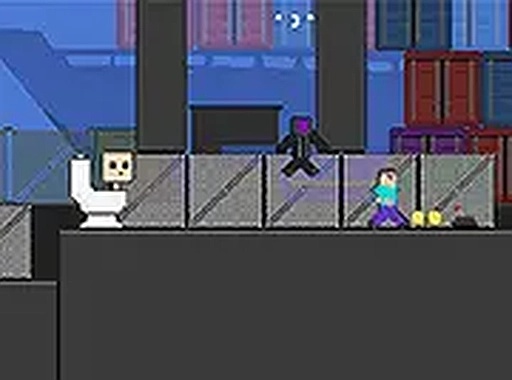
In Two-Player Team Dash, each stage presents a clear joint mission. Players control separate characters that must move through a course while picking up shiny objects. These objects fill a communal gauge. Once full, a special exit opens at a fixed point. Both characters need to arrive at that exit at the same time to clear the stage. This design forces constant awareness of your partner's position and progress.
Movement and Barrier Navigation
Each character can move left or right and jump over low walls or gaps. The timing of jumps matters, as some barriers require precise coordination. For example, one player might need to wait while the other clears a high wall, then both proceed together. The controls are straightforward, using keyboard keys or on-screen buttons, so the focus stays on strategy rather than complex inputs.
Pacing and Gentle Pressure
A figure follows the characters throughout each stage, encouraging steady forward movement. This element creates a sense of friendly urgency without any intense or violent content. The challenge is to maintain a good pace while still collecting enough items to fill the meter. Teams that rush too quickly might miss collectibles, while those that move too slowly risk being caught by the following figure.
Accessibility and Replay Value
The game runs directly in a web browser with no downloads or installations. Its simple premise and controls make it accessible to players of all ages and skill levels. The cooperative nature adds depth, as each stage requires fresh communication and planning. Multiple stages may introduce new barrier types or collectible arrangements, encouraging repeated play to improve coordination and speed.
Compatibility
✅ This game supports:
- Desktop browsers (Chrome, Edge, Safari)
- Mobile browsers (Chrome on Android, Safari on iOS)
❌ Does NOT support: - Internet Explorer - Very old browser versions
👉 Try refreshing or updating your browser







Player Comments
Sign in to comment
You must be logged in before posting a review or rating.
No account? Create one
No comments yet. Be the first to comment!