Era-Specific Level Design
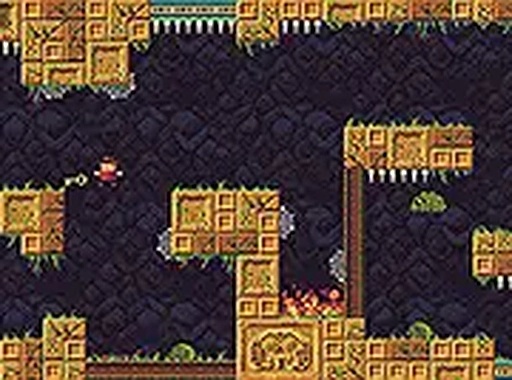
Each time period in Chrono Keeper Rescue Run has its own visual style and environmental hazards. Ancient Egypt levels feature sand traps and crumbling pillars. A futuristic metropolis introduces moving platforms and laser barriers. The time travel theme isn't just cosmetic—it directly shapes how players approach each stage, forcing them to adapt their timing and route as the era changes.
Movement and Exploration
Controls are simple: move left or right, jump, and double-jump to reach higher areas. The challenge comes from timing jumps carefully and reading each environment. Hidden alcoves often hold bonus coins or temporary power-ups that boost jump height or speed. The main path is always visible, so younger players can finish levels, but thorough exploration is rewarded for those hunting every secret.
Rescue-Focused Objectives
Instead of collecting items or defeating bosses, the goal is to locate and free captured animals. Each level hides several creatures in cages or behind environmental puzzles. Freeing them adds to a rescue counter and unlocks additional content. This gives every session a clear purpose and encourages players to replay levels for animals they missed. The animals have distinct animations that add personality to each rescue.
Atmosphere and Progression
Pixel-art graphics use a different palette per era, with small details like waving grass, flowing water, and moving clouds. Music shifts from ancient flutes to electronic synth beats. Progress saves automatically, and there's no strict time limit or life system, which keeps frustration low. Levels can be replayed to improve rescue counts or find hidden areas.
Compatibility
• OS: Windows 10+, macOS 11+, iOS 14+, Android 10+
• Browsers: Chrome 100+, Safari 15+, Edge 100+, Firefox 100+
• Not compatible with Internet Explorer
Tested on real devices ✅ works as expected







Editorial Notes