The Forklift and the Growing Stack
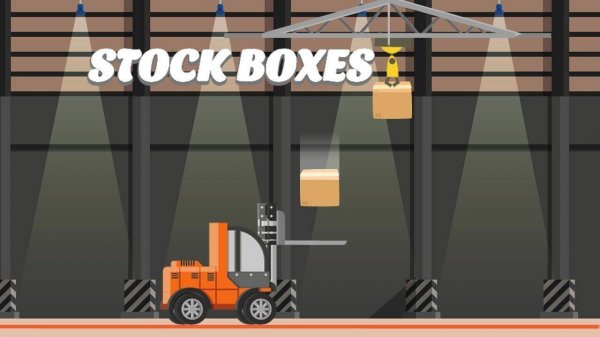
In Crate Arrangement Challenge, you operate a forklift inside a busy warehouse. Boxes arrive on a steady rhythm, and your job is to pick each one up and set it onto a stack that keeps getting taller. The core demand is spatial: you judge the distance between the forklift and the stack, then choose the exact moment to release the crate. A clean placement keeps the pile stable; a careless one can send the whole tower down. The floor space also fills as you play, so the room you have to maneuver shrinks over time.
When the Pace Picks Up
The early boxes come at a comfortable rate, but the game gradually increases how quickly new crates appear. The stacking area becomes more cluttered, leaving less margin for error. Some crates differ in size or shape, so a single approach does not fit every delivery; you have to adjust how you carry and drop each one. Speed and caution pull against each other here. Rushing a placement is the fastest way to lose the stack, yet waiting too long lets the incoming boxes pile up.
Warehouse Look and Sound Cues
The warehouse is drawn with clear, colorful graphics that keep the forklift and every crate easy to distinguish. Conveyor belts and storage shelves fill the background and reinforce the industrial setting. Audio cues support the play: a beep sounds when a box is picked up or placed, giving you feedback even when your eyes are fixed on the stack. The overall presentation stays clean and family-friendly.
Why Runs Stay Different
The order and timing of box arrivals change from one playthrough to the next, so you cannot simply memorize a fixed sequence. That randomness pushes you toward flexible strategies and quick adjustments rather than a single rehearsed routine. Over repeated sessions, players tend to sharpen hand-eye coordination and planning, since each run asks for the same core skills under slightly different conditions.
Compatibility
This H5 game runs smoothly on:
• Desktop computers (Windows / Mac) • Mobile phones (iPhone / Android)
• Tablets (iPad / Android)
🌐 Best experienced with Chrome, Safari, or Edge








Editorial Notes