Two-Phase Gameplay Loop
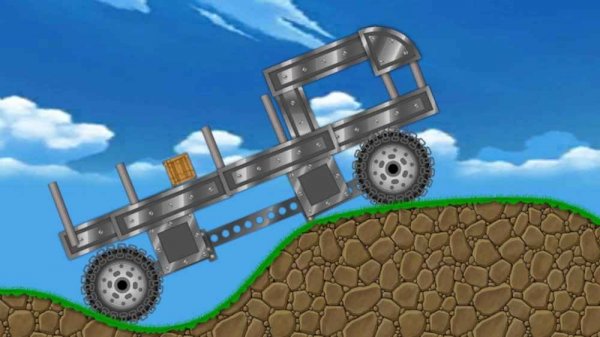
Each level in Construct & Haul Logic Challenge splits into two distinct phases: assembly and navigation. In the assembly phase, you choose from a set of vehicle parts and arrange them to form a functional machine. The placement of each component affects how the vehicle moves, so logical thinking about fit and function is essential before you ever touch the controls. Once built, the navigation phase begins, and you guide your creation through the level to reach designated delivery points. This structure keeps every session engaging because success hinges on both good design and careful steering.
Level Design and Adaptability
Stages introduce new environments with specific delivery goals, and the arrangement of obstacles, delivery zones, and available parts changes from one level to the next. Some layouts may require a compact vehicle to fit through narrow passages, while others call for a sturdy build to carry heavy loads. Because no single design works everywhere, players must adapt their approach based on the terrain and the task at hand. This variety prevents reliance on a single winning blueprint and encourages flexible thinking.
Visual Style and Controls
Bright colors and clear visual cues make every part and pathway easy to identify. Friendly character designs and cheerful backgrounds create a welcoming atmosphere suitable for all ages. Controls are straightforward: drag-and-drop for building and simple keyboard inputs for driving. This low barrier to entry means younger players can participate, while the increasing complexity of later levels provides enough depth to hold the attention of older puzzle enthusiasts.
Skill Development Through Play
Regular play naturally strengthens several cognitive abilities. The building phase encourages spatial reasoning and forward planning, as players must anticipate how their vehicle will handle. The driving phase improves hand-eye coordination and reaction time. Because each level requires a unique solution, players also develop flexible problem-solving strategies. The game rewards experimentation, so trying different part combinations is part of the fun rather than a penalty.
Progression and Replay Value
As players advance, they encounter new part types and more complex delivery routes. This gradual introduction of elements keeps the learning curve smooth. Completing a level with a basic vehicle feels satisfying, but returning to earlier stages with improved skills to achieve a more efficient design adds replay value. The game does not punish failure harshly, allowing players to retry and refine their approach without frustration.
Compatibility
• OS: Windows 10+, macOS 11+, iOS 14+, Android 10+
• Browsers: Chrome 100+, Safari 15+, Edge 100+, Firefox 100+
• Not compatible with Internet Explorer
Tested on real devices ✅ works as expected








Editorial Notes