A Seasonal Figure on an Endless Path
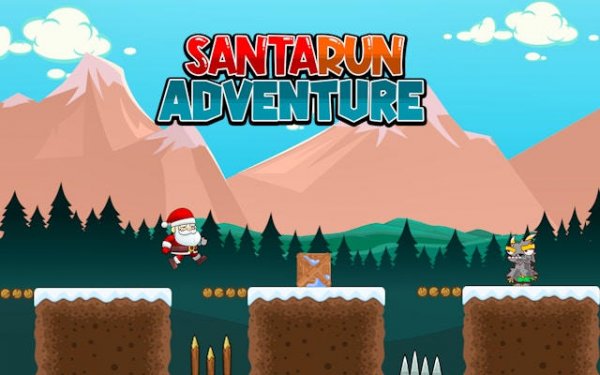
Holiday Snow Sprint puts you in control of a recognizable holiday character running through a winter setting. The route has no finish line; instead, you survive as long as possible while the environment scrolls past. Low barriers and overhead hazards appear along the way, and each one demands a correctly timed jump or duck. The challenge is not memorizing a fixed course but reacting to obstacles as they arrive, because the layout keeps coming without pause.
Simple Inputs, Tight Timing
Touch or keyboard controls handle every action. A tap or key press makes the character leap over low obstacles; a second input ducks beneath hazards that hang overhead. The scheme is deliberately simple so that new players can start immediately, but the timing window narrows as the run continues. Because the scenery moves faster, the same jump that felt comfortable early on becomes a split-second decision later. Consistent rhythm matters more than frantic tapping.
Tokens, Distance, and Two Scores to Beat
Shiny tokens are scattered along the route. Collecting them adds to your final tally, and in some versions they can trigger temporary bonuses or advantages. The scoring system tracks two separate metrics: distance covered and tokens gathered. That split gives you two distinct goals per attempt. You might push for a new distance record on one run, then focus on token routes on the next. The tension comes from deciding whether a token is worth the risk of a mistimed jump.
Winter Atmosphere and Rising Speed
Snow-covered trees, twinkling lights, and gentle snowfall build a bright, cheerful mood. Upbeat music and festive sound effects match the visuals, so each session feels lighthearted rather than tense. Underneath that presentation, the difficulty curve does real work. Early runs are relaxed and give you room to learn the controls. Later stages introduce more complex obstacle patterns and faster scrolling, asking for quicker decisions and steadier focus. The progression is gradual, which keeps repeated attempts engaging instead of punishing.
Building Longer Runs
Recognizing obstacle patterns early is the most reliable way to extend a run. Staying calm and holding a consistent rhythm prevents the panicked reactions that cause most mistakes. Short, frequent practice sessions help build muscle memory better than one long session. Collect tokens only when your positioning is safe; never sacrifice a clean jump for a single item. Each attempt reveals something about the course, and that knowledge carries into the next run.
Compatibility
Play on Any Device | Chrome / Safari / Edge Recommended










Editorial Notes