Drag-to-the-Beat Controls
Beat Sprunki Music Mix builds its entire rhythm system around dragging characters across the screen. There are no button combinations to memorize. You move a character into position as a musical cue arrives, and the game registers whether your timing lines up with the track. The feedback is immediate: sound effects respond to your drags, so you hear whether you are on beat or slightly off. That audio response is the main teaching tool, and it lets new players understand the goal within the first minute of play.
Four Modes, Four Timing Challenges
The game splits its rhythm gameplay into four modes, each testing a different skill. One mode demands precise alignment between character placement and musical cues. Another mode layers playful sound effects onto character movements, so the sounds you trigger become part of the mix. A third mode uses a single character that shifts with changing rhythms, which forces you to adapt rather than repeat a fixed pattern. The fourth mode removes melodic elements and focuses on beat-boxing, where you arrange characters into repeating rhythmic loops. Switching between modes changes how you listen to the same core mechanic.
Visual Style and Audio Feedback
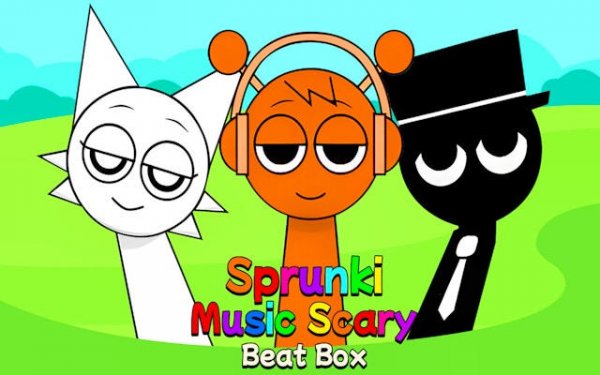
Bright colors and distinct character personalities define the presentation. Each mode has its own themed backdrop, ranging from cheerful daytime scenes to more whimsical settings. The soundtrack covers upbeat pop-inspired tracks and slower, relaxed melodies, so the pacing shifts depending on what you select. Sound effects are crisp and tied directly to your actions, which makes every drag feel responsive. The combination of clear audio cues and colorful visuals keeps the screen readable even when patterns become faster.
Difficulty Curve and Replay
Early play introduces the basics without pressure, and each mode raises its difficulty gradually by increasing tempo and adding more complex patterns. That structure gives younger or less experienced players room to enjoy the game at their own pace, while players chasing higher accuracy can push their timing further. The game tracks accuracy and provides feedback after each attempt, so improvement has a clear reference point. Because characters and sound combinations vary between sessions, revisiting a mode to improve a score rarely feels identical to the last run.
Compatibility
✅ This game supports:
- Desktop browsers (Chrome, Edge, Safari)
- Mobile browsers (Chrome on Android, Safari on iOS)
❌ Does NOT support: - Internet Explorer - Very old browser versions
👉 Try refreshing or updating your browser









Editorial Notes