Timing and Paddle Control
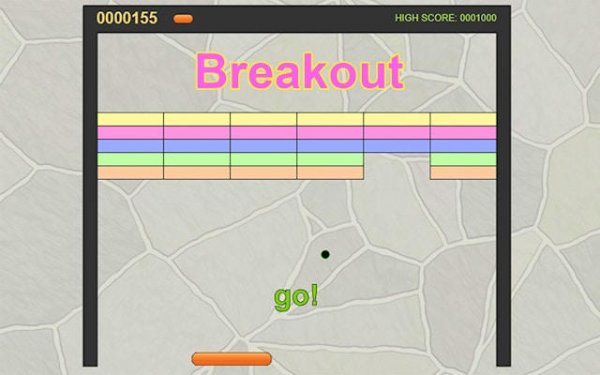
Block Smasher Puzzle Retro centers on one repeating decision: where to place the paddle before the ball arrives. The ball's rebound angle shifts based on which part of the paddle it touches, so a hit near the edge sends it off at a sharper angle than a centered hit. That single rule turns every return into a small aiming choice rather than a passive block. Players who watch the ball's path and adjust early tend to keep longer rallies, while late reactions usually leave gaps that are hard to recover from.
Stage Layouts and Escalation
Each stage presents its own arrangement of blocks. Early layouts use simple rows that are easy to read, giving new players room to learn the bounce angles. Later stages pack blocks more densely and introduce blocks that need more than one hit to break. Some blocks sit in positions that are awkward to reach, so clearing a layout often means planning which side of the formation to attack first. Because the game tracks progress stage by stage, the difficulty curve stays gradual enough to build skill without sudden spikes.
Controls, Feedback, and Presentation
Keyboard players steer the paddle with the left and right arrow keys, while touch users slide a finger in the same direction. Both input methods respond smoothly enough for small corrections, and a pause button is available when needed. The interface keeps score and stage number visible without crowding the play area. Visually, the game uses pixel-style graphics and bright contrasting colors, with simple effects marking each block break. Sound cues for ball hits and destroyed blocks reinforce the arcade feel, and an audio toggle lets players mute or adjust volume.
Scoring and Pacing
Points are awarded for every block destroyed, and clearing a stage quickly or losing fewer balls can add bonus points. There is no time limit, so players can work through a layout at their own speed. The score display gives a clear personal target to beat, which suits short sessions as well as longer attempts at mastering a tricky formation.
Compatibility
✅ Works on PC & Mobile | Recommended: Chrome / Safari / Edge





Editorial Notes