Race Format and Objective
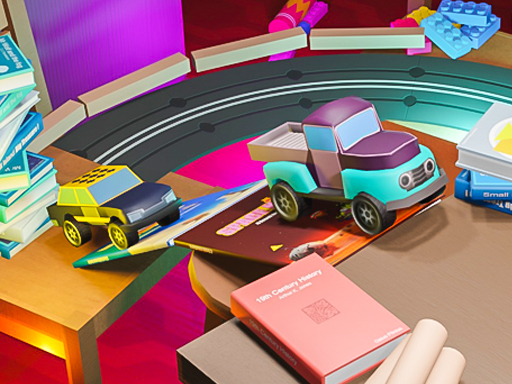
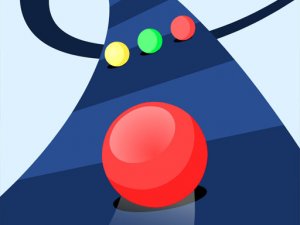
Toy Car Race Arcade is a 3D racing game built around a straightforward goal: complete each lap before your opponent or the clock. Races take place on colorful tracks lined with sharp turns and obstacles that punish careless driving. The game supports both single-player and two-player modes, so the same track layout can be tackled alone or used as a head-to-head challenge. [IMG_1]
Driving Mechanics and Controls
Players steer their toy car using arrow keys or on-screen controls, accelerating to build speed while adjusting for corners that require early braking or tight lines. Obstacles on the track slow you down if you clip them, making timing and reflexes as important as raw speed. The control scheme is deliberately simple, which keeps the focus on reading the track rather than memorizing complex button combinations. [IMG_2]
Two-Player Competition
In two-player mode, the race becomes a direct contest where watching your opponent's line can reveal openings. Mistakes are visible and immediate, so a clean corner or a well-timed overtake can decide the outcome. This mode works best for players who want short, repeatable matches rather than long sessions.
Track Variety and Replay
Each track mixes different obstacle placements and turn sequences, so the racing line changes from one course to the next. That variety gives players a reason to replay tracks and shave time off their laps. The 3D presentation keeps the toy-car scale consistent, with vibrant visuals that make obstacles and track edges easy to read at speed.
Compatibility
✅ This game supports:
- Desktop browsers (Chrome, Edge, Safari)
- Mobile browsers (Chrome on Android, Safari on iOS)
❌ Does NOT support: - Internet Explorer - Very old browser versions
👉 Try refreshing or updating your browser





Editorial Notes