Two Mini-Games, One Match
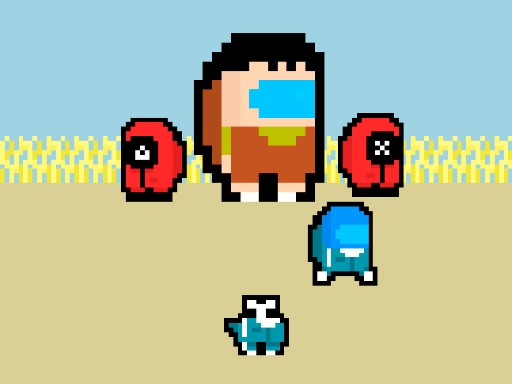
Two Player Arcade Challenge splits each match into alternating rounds drawn from two distinct mini-games. One is a timing challenge similar to green light red light: a signal tells players when it is safe to move, and moving during the stop signal eliminates that player for the round. The other is a strength-based tug of war where each player rapidly presses an assigned button to pull a rope marker toward their side. The first to pull the marker past the center wins the round.
Shared Device, Separate Controls
Both players use the same screen, with each player's controls clearly displayed. There is no online lobby or split-screen setup to configure. The game is built around immediate local play, so a friend or family member can pick up a controller or keyboard side and start without lengthy instructions. Because the controls are simple and the two mini-games use different inputs, players alternate between careful observation and rapid button presses.
Round Flow and Winning
Rounds alternate between the timing challenge and the tug of war. Winning a round is the only way to score, and the player who wins the most rounds is declared the overall winner. This structure keeps matches short and creates a back-and-forth rhythm: a patient player may excel at the stop-and-go phase, while a player with steady rhythm can dominate the tug of war. The alternation prevents either skill set from deciding the entire match.
Presentation and Audience
The graphics are bright and cheerful, with a simple visual style that suits players of all ages. The content is designed to be family-friendly, with no violent or frightening elements. Quick rounds fit into short sessions, making the game a reasonable choice for a break, a casual challenge between friends, or a family activity. The focus stays on friendly competition rather than intense or graphic themes.
✅ Compatibility & Testing
• Desktop (Windows 11, macOS Ventura)
• Mobile (iPhone 14, Samsung Galaxy S23)
• Tablet (iPad Pro, Android tablet)
✅Supported browsers: Chrome, Safari, Edge, Firefox (latest versions)
❌ Not supported: Internet Explorer, older browser versions




Editorial Notes