Track Design and Racing Challenges
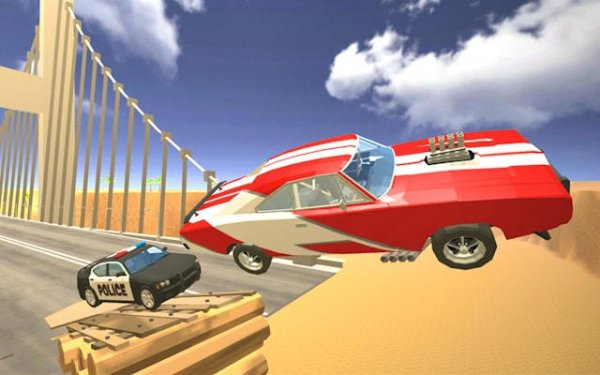
Each track in RaceDay 2025 is built around specific challenges: hairpin turns that demand precise braking, steep climbs that affect momentum, and obstacles that require quick lane adjustments. The terrain is not static scenery—elevation changes and surface variations directly influence how your car behaves, so memorizing a racing line is only half the battle. You must also read the road ahead and decide when to push and when to hold back.
Vehicle Handling and Physics
The game's physics engine governs weight transfer, traction, and collision response. Every car in the roster has distinct handling traits, meaning a vehicle that excels on tight corners may struggle on long straights or uneven surfaces. Learning how a car shifts its weight under braking and acceleration is central to shaving seconds off your lap times. Collisions feel impactful and carry consequences, so clean driving is usually faster than aggressive contact.
Skills That Separate Fast Drivers
Success comes from consistency rather than one perfect lap. Identifying braking points, accelerating out of turns without losing grip, and adapting your line to changing terrain are the core skills the game rewards. Because each run provides feedback through car behavior, patient drivers who adjust their approach between attempts tend to improve faster than those who simply push harder. The blend of arcade accessibility and simulation depth means both casual players and racing enthusiasts can find a suitable challenge level.
Compatibility
This H5 game runs smoothly on:
• Desktop computers (Windows / Mac) • Mobile phones (iPhone / Android)
• Tablets (iPad / Android)
🌐 Best experienced with Chrome, Safari, or Edge










Editorial Notes